The first thing to note is that immigration and taxation in Switzerland works on two levels – federal and cantonal. Any foreign national moving there needs to be registered on both levels. Bear in mind there are 26 cantons (similar to provinces), each with its own framework for taxation and migration – hence some cantons are more attractive than others.
You’ll need a residence permit if you wish to spend more than three months at your Swiss ski home. This applies even to EU or European Free Trade Association (EFTA) citizens. Non-EU/EFTA nationals, which now includes British people, will also need a suitable visa; some third-party nationals need a visa even for visits shorter than 90 days.
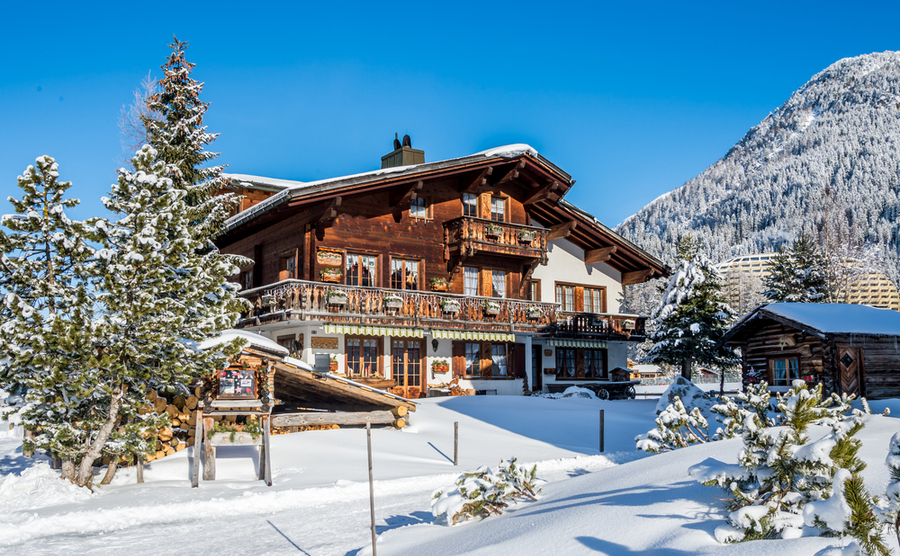
You’ll need a residence permit if you wish to spend more than three months at your Swiss ski home.
Residence and work permits are more accessible to citizens from EU or EFTA countries, who have priority to the Swiss labour market. For them, options include being employed by a Swiss employer – who registers them, or becoming self-employed.
Non-EU/EFTA nationals wishing to work in Switzerland need a work visa and typically need to meet certain professional standards, for example being managerial level or having higher education qualifications. Note too that Switzerland has annual quotas regulating the number of foreign nationals working there, including by canton.
For the right sort of people, setting up a company in Switzerland can be the ideal route to moving there. If an EU/EFTA or non-EU/EFTA national forms a Swiss company and is employed by it in a senior capacity, they are allowed to reside in the country. The company must meet certain conditions, such as creating local jobs and having a minimum annual turnover (typically CHF1million). Investing in an existing Swiss company that could benefit from a financial injection is an alternative option. Either way, low taxation on dividend income can be a further incentive.
The Lump Sum Tax Regime is another viable route to residency geared towards wealthier foreigners who are financially independent.
The Lump Sum Tax Regime is another viable route to residency geared towards wealthier foreigners who are financially independent. It works by taxing a foreign national on their lifestyle expenses, usually worked out as approximately seven times the annual rental value of their Swiss home, instead of their actual global income and wealth (no reporting of earnings and assets is required). In short, candidates agree a tax base with the authorities, which is then subject to the standard rates in the canton where they live. To be eligible, you may not work or conduct gainful activity in Switzerland, although you can anywhere else (and you may also administer personal assets in Switzerland). Another condition is not having been resident in the country at any time during the previous 10 years.
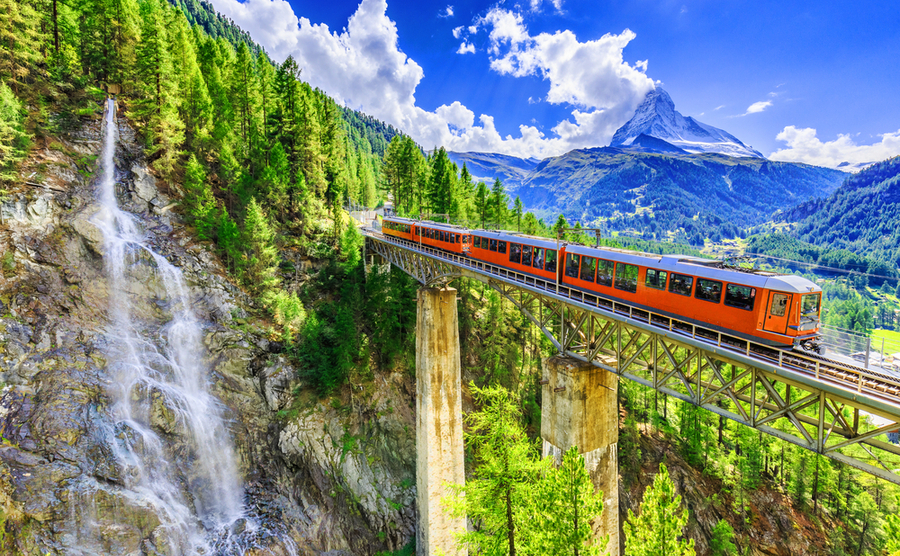
Foreigners aged over 55 who can demonstrate financial self-sufficiency and have adequate Swiss health insurance could be eligible for a resident permit.
Third-party nationals may have a higher tax bill each year under this scheme though. It depends entirely on the canton and the individual’s circumstances but in some cases the lump sum tax is based on deemed (or actual) annual income (as opposed to expenses), of between CHF400,000 and CHF1,000,000.
Foreigners aged over 55 who can demonstrate financial self-sufficiency and have adequate Swiss health insurance could be eligible for a resident permit. Those from non-EU/EFTA countries will also have to prove close ties to Switzerland (ie regular trips, ownership of property, family there) and will not be allowed to work.
]]>Chalet heaven
Verbier’s exclusive collection of chalets include some of the world’s largest and most opulent ski homes. Landmark properties there include The Lodge belonging to Virgin billionaire Richard Branson, No 14 Verbier, recently described as ‘The World’s Greatest Chalet’ and grand Chalet Septième Ciel. All are available to rent on a weekly basis – or longer. Prince Andrew and Sarah Ferguson raised eyebrows last year when they put their jointly owned seven-bedroom Chalet Helora, worth an estimated £16.6million, on the market.

Your room with a view in Verbier
Awesome après-ski!
The party scene in Verbier is legendary, not least for the socialites and royalty you’re likely to rub shoulders with in one of its swanky bars and clubs. Most famously, The Farm Club became an institution when it launched as a night spot in 1971. Another go-to night spot is Public Verbier, owned by Prince William and Prince Harry’s buddy Guy Pelly. Hardly surprising then that Harry had his stag do in ‘Verbs’, stopping for lunch in a place co-owned by a restaurateur friend of his, along with rugby star Lawrence Dallaglio, singer James Blunt and superbike legend Carl Fogarty. For some beats and cocktails straight off the slopes, La Rouge, Pub Mont Fort and Farinet are popular with today’s hipsters. Getting a feel for the place yet…?
Off-the-scale off-piste
Located on a sunny plateau in the shadow of Mont Blanc, Verbier is the gateway to the expansive 4 Vallées ski area. It offers nearly 100 lifts and more than 400 kilometres of runs, so caters well for all levels of skiers. A highlight is the 10-kilometre run that links Les Attelas with Verbier.
The resort’s real appeal is with experienced skiers. A large contingent of powder hounds head there each year to get their kicks on its world-renown off-piste slopes – which are comparatively easy to access compared to other resorts. The most popular spots for this are in the stunning Vallon d’Arby, slicing between its snow-capped trees, Backside Mont Fort and Chassoure-Tortin. For the really adventurous, heli-skiing can be arranged – or you could just go up for the ride and incredible views.
Glide and slide…
You don’t need to be on skis to get serious thrills in Verbs. It’s a world-class centre for paragliding, dog-sledding, mountain-biking (826 kilometres of mountain trails), trekking (500 kilometres of trails), freefall jumping, paragliding and ice climbing. But a real highlight is the toboggan run there, the longest in French-speaking Switzerland. The seven-kilometre course starts at the summit station at Savoleyres before winding down through forests to the village La Tzoumaz, dropping 711 metres from its starting altitude of 2,354 metres!

It’s not just about the skiing…
Festival frenzy!
Summers are no less exciting in Verbier, where a busy calendar of sports and cultural events keep it buzzing in the warmer months. A highlight is the Verbier Festival, an extravaganza of concerts, recitals and workshops that bring together professional classical musicians from the around the world. More active types might be interested in the resort’s annual triathlon festival while equestrian fans will enjoy the Jumping International de Verbier, its annual show jumping festival.
Cheers to cheese!
Love your cheese and wine? Then you’ll feel right at home in Verbier. In touch with its roots as a farming village, the town continues to produce its own award-winning cheese. You can visit the Laiterie de Verbier just outside the centre and take part in workshops and tastings. Meanwhile, Switzerland’s Valais region, where Verbier is located, is home to 5,000 hectares of vineyards and produces more than a third of the country’s wine. Local vineyards are a short drive away and well worth a visit, or stay in town and do some wine-tasting! As you’d expect, Verbier has a selection of gourmet restaurants, including the Michelin-starred La Table d’Adrien.
]]>Kitzbühel, Austria
The very creator of James Bond spent time as a young man in this fashionable resort in the northern Tyrol. After a short-lived stint at Sandhurst, Fleming moved to Kitzbühel in the late 1920s to study at a private finishing school and enhance his career prospects. While there he developed a love of skiing and climbing. Where he stayed and studied is today the 5-star Tennerhof Hotel.

The very creator of James Bond spent time as a young man in this fashionable resort in the northern Tyrol.
Kitzbühel is home to the world’s fastest World Cup downhill race, the annual Hahnenkamm. So it’s hardly surprising that Fleming created a character with the ability to tackle the steepest of slopes at breakneck speed and that Kitzbühel features as the place where 007 learnt to ski as a youngster!
Crans Montana, Switzerland
Only Sean Connery has starred in as many Bond movies as Roger Moore – seven for each of them – and which of these icons makes the best 007 is purely down to personal choice. After numerous stints filming in magical Alpine settings, it’s little wonder Roger ended up living somewhere surrounded by snowy peaks, not to mention international cachet. That place was Crans Montana in the Swiss canton of Valais, where Moore was the resort’s most famous resident until his death in 2017.
A keen skier, Moore showed just how good he was on the slopes in the 1985 Bond movie A View to a Kill, also shot on location in Switzerland. An archetypal English gent, Moore could speak French and embraced the Swiss lifestyle and gastronomy that Crans offers. When he first moved to Switzerland, Moore settled with his family in Gstaad before relocating to Crans-Montana, which is also famous for its championship golf and picturesque lake.
Sölden, Austria
Current Bond man Daniel Craig should know the Austrian resort of Sölden well – he spent plenty of time there for the filming of Spectre (2015), enjoying the comforts of the luxury Hotel Bergland. Particularly memorable scenes from the 24th Bond movie feature the resort’s landmark IceQ restaurant. Perched at 3,000m on the resort’s stunning Gaislachkogl mountain, the futuristic building doubled as the Dr Swann’s Hoffler Klinik. It’s here that Bond girl Lea Seydoux is snatched, triggering an exhilarating chase down the mountainside, taking in the Ötztal Glacier Road and Rettenbach tunnel, before the plane Bond is flying snaps off its wings and slides into a chalet!

Land Rover Defender from James Bond movie Spectre in Sölden – yakub88 _ Shutterstock.com
In a celebration of Sölden’s 007 connection, an interactive Bond museum called 007 ELEMENTS has been built into the mountainside next to IceQ.
As a skiing destination, Sölden boasts a 144-kilometre ski area with two glaciers, which are used by the International Ski Federation (FIS) for opening the ski race season each October. Well-known for its après-ski, it also has one of the best spas in the Alps.
Chamonix, France
The birthplace of winter sports and go-to destination for shooting snowy action films, Chamonix’s moment to feature in a Bond movie came with The World is not Enough (1999). Pierce Brosnan’s third time at playing 007 saw him and Sophie Marceau, or ‘Elektra’, under fire and pursued dramatically down a remote mountainside by four paragliders.
Chamonix is the birthplace of winter sports and go-to destination for shooting snowy action films.
According to the script they were in the Caucasus Mountains in Azerbaijan, but actually, the scene was filmed around the Vallée Blanche, an area that demonstrates why Chamonix offers some of the world’s best off-piste skiing. Even today, the route the couple took is known as the James Bond Trail. Do that a few times and you’ll deserve a large cocktail or two in one of the local bars!
Cortina d’Ampezzo, Italy
Jewel of the Italian Dolomites, chic Cortina d’Ampezzo proved the ideal setting for Roger Moore’s fifth portrayal of the legendary secret agent in For Your Eyes Only (1981). The inevitable ski chase sees Bond chased through forests by motorbikes before joining a bobsleigh track.

The inevitable ski chase sees Bond chased through forests by motorbikes before joining a bobsleigh track.
The film also showcases the resort’s ski jump and ice-rink, not to mention the impressive Miramonti Majestic Grand Hotel, where Bond stayed and is seen gazing from the balcony of room 108.
St Moritz, Switzerland
Glitzy St Moritz oozes James Bond credentials, so it’s almost a shame that both times it has featured in two of the famous secret agent movies it has been doubling for other locations. In The Spy Who Loved Me (1977) it was portrayed as Austria and in A View to a Kill (1985) as Siberia.
]]>As the 2021-22 winter season sneaks up on us, Smart Currency Premier outlines why its service is especially valuable to buyers and owners of ski homes.
Mitigate currency risk
There’s no need to suffer the uncertainty of fluctuating exchange rates and their potentially adverse effects on the cost of your property purchase. Smart Currency Premier understands the value of planning and why most clients buying international homes prefer to know their total financial exposure from the outset. Their bespoke service includes understanding every client’s needs in terms of budget and currency, timescales and attitude towards risk.
A powerful tool they offer that lets you take control of costs, regardless of any movement in the currency markets, is the forward contract. This allows you to agree and lock in an exchange rate that can be applied to one or more transfers worth an agreed value of foreign currency, eg euros or Swiss francs, within a certain timeframe.
Stage payments for new build
Off-plan is a popular option for buying at the premium end of the ski market, whether it’s a high-spec apartment or custom-built chalet. Typically, this requires purchasers to make a series of stage payments during construction, which feasibly can last six months to a year, or even longer. Forward contracts are especially beneficial in this instance, allowing you to fix the cost of your payments well in advance, allowing you to budget effectively and avoid nasty surprises halfway through the build process.
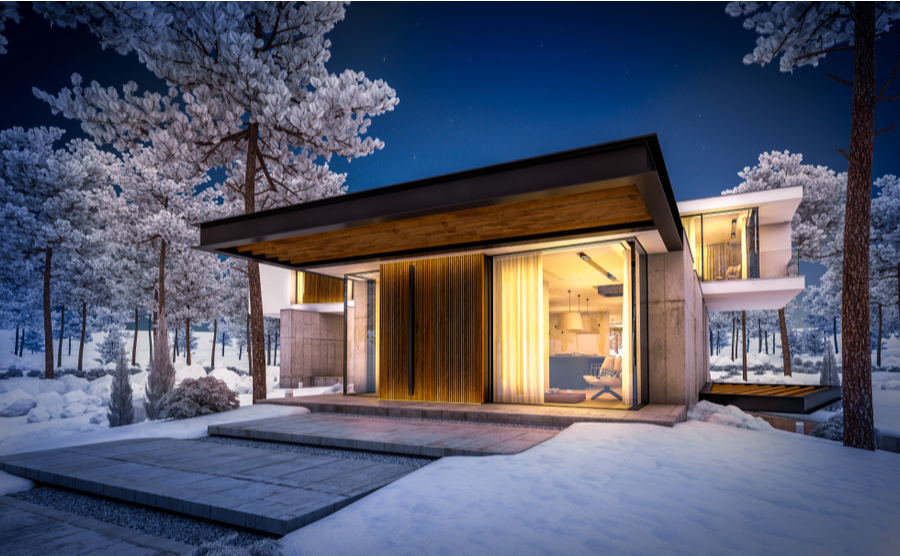
Off-plan is a popular option for buying at the premium end of the ski market, whether it’s a high-spec apartment or custom-built chalet.
Note too that construction in the Alps typically takes place in the summer months only. The advantage to buyers is that during the winter you can sign a purchase contract, but not be expected to start making stage payments until construction starts in the spring. Again, this calls for forward-thinking in terms of your currency transfers.
Finance repayments
Thanks to the European Central Bank’s Euribor being stuck below zero, mortgages in the French Alps remain an attractive option, and it’s a similar story in Switzerland. In France, for example, even non-resident buyers can expect to benefit from rates fixed below two per cent for 10 or 20-year terms, requiring a 20-30 per cent deposit. Conditions don’t look set to change going into 2022.
Buying a ski home with a foreign currency mortgage can be an effective way of hedging your exposure to the exchange rate. Opting for a loan means you needn’t commit all your source funds to a foreign currency. On a broader level, it can also help maintain a level of liquidity within your wider asset portfolio. If you need to transfer currency to make mortgage repayments, Smart Currency Premier can set up regular transfers and build in a forward contract so your payments are fixed.
Rentals and maintenance
Well located ski homes are one of the most lettable types of second home. The best tend to be in high resorts, with slopes between 2,000m-3,500m and plentiful north-facing runs, with a long skiing season (early December to May – longer if there is a glacier). For those with established dual seasonality, summers are as important as winters and annual occupancy can be excellent.
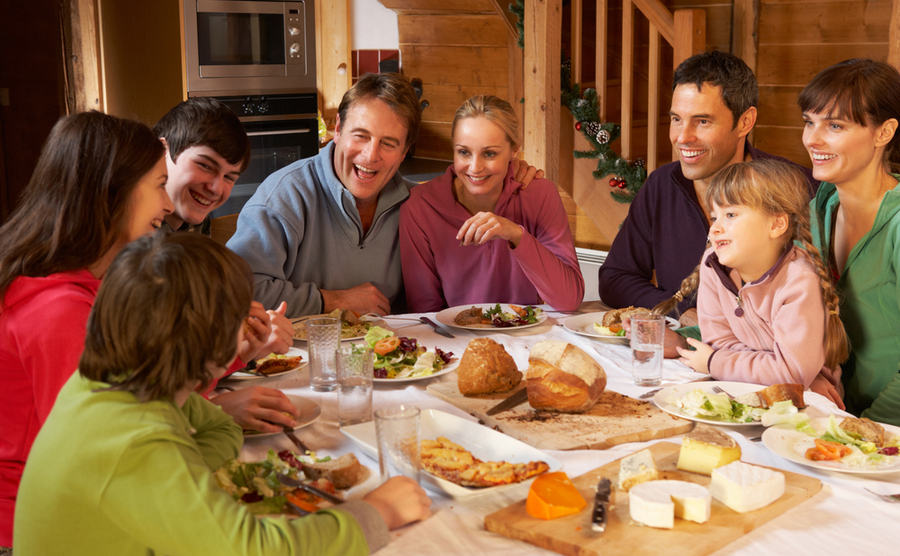
Well located ski homes are one of the most lettable types of second home.
While rental income will bring money in, owners will have money going out each month to cover maintenance, as well as annual taxes. If rental income is not in the local currency, you’ll likely need to make transfers to your foreign account. This can be done ad hoc or in a more strategic way, again using forward contracts.
Well located ski homes are one of the most lettable types of second home.
New residents
Today increasing numbers of owners in the Alps are choosing to treat their home as a more permanent residence, somewhere they can spend long periods working from home and enjoying the healthy mountain lifestyle. Covid-19 and the desire to be in healthier environments, away from a busy urban lifestyle has helped drive this trend.
Moving to the Alps but maintaining an income or employment in your home country will likely bring with it the need to make regular currency transfers to cover your living costs. Meanwhile, expats moving to the Alps, notably to tax-favourable areas of Switzerland, may need to send money home for investment or other reasons.
]]>Whistler
Ninety minutes north of Vancouver in British Columbia’s spectacular Coast Mountains, Whistler is Canada’s leading mountain resort and a true international destination. And with 8,000 acres of skiable terrain, its dual mountain ski area, called Whistler-Blackcomb, is the largest ski area in North America. A paradise of powdery bowls and sweeping tree-lined runs, it played a major part of the Vancouver Winter Olympics in 2010.

Whistler is Canada’s leading mountain resort and a true international destination.
The resort is divided into four main residential areas. Its beating heart is the purpose-built Whistler Village, a vibrant pedestrianised hub of shopping, world-class restaurants and lively entertainment located at the foot of the slopes and with easy access to the lifts. Most of the properties there are condos geared towards the tourist rental market.
Its beating heart is the purpose-built Whistler Village, a vibrant pedestrianised hub of shopping, world-class restaurants and lively entertainment
Between the Village and shores of Alta Lake is Whistler Centre, part of the original village that began life as a fishing resort. Its lakeside location, proximity to the Village and easy access to recreational activities, including golf, make it highly desirable. There is a good range of detached homes and townhouses there, including the luxury Blueberry Hill community.
Whistler South is the original ski village when the ski resort opened in 1966 and is home to the popular Creekside area, with its gondola, rail station low-key amenities and mix of new and old properties, from rustic cabins to new condominiums. It is also home to Kadenwood, Canada’s first and only resort neighbourhood with its own dedicated gondola service.
At the other end of the resort is Whistler North, a leafy green residential area set predominantly around the stunning Green Lake and with golf courses, a secondary school and access to lakes and trails.
Meanwhile, a scenic option less than 30 minutes’ drive from Whistler is the village of Pemberton, located beneath Mount Currie.
As a guide, the average selling price for a single family home in Whistler is $3.275m , $1.4m for a town-home and $879k for a condo, according to recent analysis by local agency The Whistler Real Estate Company. The most exclusive chalets require a budget of $10m-$20m. Buyers should note that land in Canadian resorts, including Whistler, is subject to zoning, which till determine whether a property can be used for short-term tourist rentals or for full-time residency only.
Banff
Vying with Whistler to be Canada’s premier winter resort, Banff sits in its own natural wonderland within the Banff National Park and bisected by Bow River. Calgary Airport is an easy two-hour transfer.
Banff is the centre-point for the Ski-Big-3 ski stations of Sunshine Village, Mt Norquay and Lake Louise, which are covered by the same lift pass and linked by a bus service. Total skiing area is 7,748 acres, not far behind Whistler-Blackcomb, although the quality of snow in Banff is rated the best in Canada.

Banff sits in its own natural wonderland within the Banff National Park and bisected by Bow River. (Timothy Yue / Shutterstock.com)
Despite being a bus-ride from the ski stations, Banff is the go-to place in the area to own a property. Officially Canada’s highest town, it has a lively downtown area where the low-rise streets are lined with top-class restaurants, bars, and shops, as well as art galleries and museums. An outdoor activity hub in the summer as much as the winter months, Banff has busy year-round culture scene, notable for its famous Banff Mountain Film and Book Festival.
Typical two-bedroom condos in Banff town start at around $500k, semi-detached town-homes are from circa $1m and detached chalets or traditional log homes are from $1.5m or upwards of $5m for something large and luxurious with river frontage. But don’t get too excited about owning a Banff bolt-hole. Being within the National Park means eligibility for owning property comes with residency conditions – there are solutions around this, but they won’t suit many foreign buyers.
Banff has busy year-round culture scene, notable for its famous Banff Mountain Film and Book Festival.
For this reason a popular option just outside the perimeters of Banff National Park, so without these restrictions, and especially suited to year-round living is the town of Canmore, 20 minutes from Banff and around 75 minutes from Calgary. A quintessential laid-back Rockies town, Canmore is a base for the enjoying the Ski-Big-3 ski area, but it also has its own Nordic Centre featuring a variety of cross-country ski tracks that were used in the 1988 Winter Olympics.
The town, which also offers skating, kayaking and ice-fishing, is equally appealing in the warmer months, with all types of mountain activities on offer, from mountain-biking and hiking trails to championship golf. The town combines a down-to-earth rustic edge with a lively dining and night life scene.
In terms of property, townhouses and condos, which are popular with second homeowners, start at around $600,000 for a three-bedroom without a garage and $700,000 with a garage. Budget from $1m for a luxury chalet in one of the communities around the town, or for something special the master-planned Silvertip golf community has stunning detached homes from circa $2.5m.
Two in the East
Fashionable spots for mountain homes in eastern Canada in Mont-Tremblant and the Blue Mountains. The skiing there can’t compete with Canada’s larger mountain resorts, but their appeal is as much in their lakeside location and year-round outdoors lifestyle as the winter sports offering. Mont-Tremblant is overlooks the shores of Lake Tremblant, just north of Montreal, while the Blue Mountain Resort is two hours north of Toronto, perched above Lake Huron.
]]>Record-breaking amount of skiing!
Located in the Tarentaise Valley in France’s Savoie department, it’s part of Les Trois Vallées, which connects seven resorts to create the world’s largest linked ski area. Nowhere on the planet can match The Three Valleys’ 105 square kilometres of skiable terrain, which includes 327 pistes covering 600 kilometres. Courchevel’s local ski area alone has 102 pistes!
With some of the most challenging runs, it’s a go-to destination for the world’s elite skiers and championship events are held there regularly. In fact, in partnership with Méribel, Courchevel will host the next Alpine Ski World Championships in 2023. A thrilling new black run, called L’Éclipse, has been created for the event.

View of snow-covered Courchevel slope (nikolpetr / Shutterstock.com)
Six rolled in one!
Courchevel is in fact made up of six villages connected by ski lifts or free shuttle buses. The jewel in the crown – also the highest and largest – is Courchevel 1850, one of the world’s most exclusive ski destinations, which attracts international glitterati and royalty. Courchevel Moriond (1650) is more suited to families, while lower down the valley are the quieter, more traditional options of Courchevel Village (1550), Le Praz and Saint Bon. Not forgetting La Tania, a car-free village on the edge of the forest that was purpose-built for the 1992 Winter Olympics.
Hot spot for gourmet cuisine.
Courchevel has pioneered fine dining at altitude so that today it outshines even capital cities, let alone other ski resorts, for its gastronomic offering. More than a hundred restaurants covering all styles are spread between the villages. Many are associated with four and five-star hotels and those with the highest profile are concentrated in 1850. A magnet for famous chefs, the resort boasts 14 Michelin stars spread across eight restaurants, including one of only 30 establishments in France to have three stars, namely Le 1947 at Cheval Blanc.

Courchevel has pioneered fine dining at altitude so that today it outshines even capital cities
Water slides and surfing…
Away from the slopes, the resort’s star leisure attraction is its state-of-the-art aqua and leisure centre. An indoor water park with fitness centre and huge spa, Aquamotion cost an estimated €63million to build and opened to much acclaim in December 2015. It’s located in Courchevel 1650 but arguably is a landmark facility across the entire Savoie region. Covering 15,000 square metres over two-storeys, highlights include the three-lane water slide, indoor surfing wave and four swimming pools. Out of the water, there is a gym, 11-metre climbing wall and spa, offering all types of health and wellbeing treatments. There are even separate areas for adults and children!
Away from the slopes, the resort’s star leisure attraction is its state-of-the-art aqua and leisure centre.
Fly-in, fly-out…
Given Courchevel’s exclusivity, it’s hardly surprising you can fly there! The resort has its own aerodrome, Courchevel Altiport, which holds a few records! Its runway is not only the shortest in the world but also the highest tarmacked in Europe. It was the first upslope runway to be built in a mountain location and is still one of the only altiports to be kept clear of snow all year round. The catch is its dramatic location on a mountainside – spectacular as a passenger but requiring special skill to navigate as a pilot! Traffic there largely comprises fixed wing aircraft and helicopters, but some turboprops do drop in. Most people arriving by air take a private jet to a larger airport, such as Chambéry, Grenoble, Geneva or Annecy, and then helicopter transfer to Courchevel.

The resort has its own aerodrome, Courchevel Altiport (Roberto Chiartano _ Shutterstock.com)
Bang for your buck!
A highlight of the resort’s social calendar is its Festival of Pyrotechnical Art. Since 2003, Courchevel has held an annual spectacular fireworks festival, which takes place during the height of the winter season. A series of displays kick off in early February and move around the different villages, ending in early March. It’s the world’s only firework festival that has snowy peaks and ski slopes as a backdrop.
]]>Choose your chalet or residence, especially the location, sensibly and there is a good chance your property will rise in value. Purchasing off-plan or during ‘pre-launch’ phase increases the likelihood of this.
Capital appreciation is especially likely in established resorts where building land is now hard to find, as well as in Swiss resorts where the construction of non-primary residences is restricted (Lex Weber rule). Like anywhere desirable, if new-build opportunities are rare, they’re worth more!
Verbier

Three bedroom chalet in Switzerland. (Click the image for more details)
Buying new gives you the opportunity to tailor your chalet to your exact tastes and needs. If buying a plot and appointing your own architect, you have complete flexibility over the plans and finish of your dream home in the mountains. In this case, you’ll have the reassurance and support of working closely with experts, allowing you to be involved personally as much or little as you wish.
If you’re buying off-plan or new-build from a developer’s pre-approved plans, you should be able to tweak certain elements of the layout before being invited to decide on the final fix, picking your appliances, fixtures and fittings, and decorating styles.
Buying new gives you the opportunity to tailor your chalet to your exact tastes and needs.
Consider financing your off-plan or new-build purchase with a mortgage. Right now this could even make sense for foreign buyers who might otherwise be cash purchasers. Interest rates offered by French and Swiss banks are hovering close to historic lows (with key central banks’ rates in negative territory), making mortgages cheap as well as a savvy way to avoid exposing the entire value of your transaction to current exchange rates.
Your best option might be to use a bespoke mortgage broker who can match your requirements with a private bank or specialist lender. Private banks/ lenders take a different approach to mainstream mortgage providers and will look at your financial profile as a whole, in order to find a finance deal that aligns with your personal requirements.
Kitzbühel

Chalets in Hollersbach, Austria (Click the image for more details)
Payment for a chalet built from scratch or partially built typically will be in stage payments. As the buyer, this gives you a certain amount of flexibility compared to buying a resale property in a single payment (besides a deposit).
Working with experienced currency specialist Smart Currency Exchange allows you to accommodate for exchange rate movement and plan accordingly for each individual payment. In some instances, the extended payment process buys you time to readdress your financial affairs, perhaps revisiting loan agreements or the liquidity of assets, following an unexpected shift in economic conditions while your ski home is being built.
Chamonix

Four-bedroom villa in Les Tines, France (Click the image for more details)
New chalets will come with a structural guarantee, typically between five and 10 years. The developer or builder will also be obliged to take care of any defects before the purchaser pays the final balance and gets the keys – so-called snagging – as well as deal with any unexpected faults that occur soon after taking possession.
Compared to older resale chalets, more up-to-date and energy efficient materials and appliances are used in the construction of new properties – and this is something that is constantly improving. So not only is your home kinder to the environment but it should be a bit cheaper to run than the equivalent older property next door!
Courchevel Moriond

Four-bedroom chalet in Courchevel, France (Click the image for more details)
Habits and how owners use their ski chalets, which increasingly are more than just holiday homes, are changing. Architects and developers are aware of this so are incorporating features and aspects into their designs and plans to accommodate for today’s discerning buyers.
This could be maximising open-plan living space and natural light, increasing outdoor space and terraces, and including things such as a heated boot room, wine cellar, gym and sauna, home cinema, children’s games room, underground parking and smart technology, all complemented by adequate broadband/connectivity that allows for home working.
]]>Aspen
Dubbed the most expensive ski town in the USA, Aspen’s exclusivity was confirmed in June this year when an 11-bedroom mansion there sold for a headline-grabbing $72.5million, a new record for the resort. The property was located on Red Mountain, more commonly dubbed ‘Billionaire’s Mountain’ for its prevalence of multi-million-dollar pads and popularity with American high-rollers.
The sale happened within a record-breaking year for sales volumes in Aspen, fuelled by wealthy buyers snapping up mountain homes to escape their urban lifestyles and the threat of Covid.

Aspen in the ski season (The World in HDR / Shutterstock.com)
Aspen’s glamorous town centre, located around four hours’ drive from Denver Airport, acts as a hub for four ski areas. Offering a total of 5,500 acres of slopes and all served by buses, the four mountains are Aspen (Ajax), Buttermilk, Highlands and Snowmass, which is the largest and an upmarket ski-in ski-out resort in its own right.
Mirroring the likes of St Moritz and Courchevel in the Alps, the streets of central Aspen are lined with high-end boutiques and sophisticated restaurants. Homeowners include well-known billionaires – there are at least 50 of them, including names like Murdoch and Abramovich.
Property options are varied. To be close to the après-ski action, an apartment in downtown Aspen is your best bet. For opulence and cachet, choose a mansion on Red Mountain, while more privacy is had on one of the small developments on the edge or just outside of the resort. To be within walking distance of lifts, dazzling Snowmass won’t disappoint – fractional ownership opportunities are available there, otherwise freehold condos start at circa $900,000 and smaller chalets from $3,500,000.
Vail
Competing with Aspen to be the USA’s most coveted ski destination, today Vail is as popular for its lively, amenity-packed centre – a rarity in typical American resorts, as for its world-class skiing. Certainly, there is marginal difference in what you pay for the finest homes in each.
It’s closer to Denver than Aspen too, at around two hours’ drive, making it more attractive to weekenders from the city. And like Aspen, homeowners there are both international and from across the USA.

Piney Lake near Vail, Colorado
Vail can refer to the collection of resorts along Vail Valley, but the heart of this huge outdoor playground is the area around the base of Vail Mountain, home to the main Vail Village as well as neighbouring Lionshead, a short walk or bus trip along Gore Creek. Both are upscale and have direct access to lifts or gondola (Vail has three, Lionshead one) to access the main ski area of Vail Mountain. Between them you’re spoilt for choice of top-notch bars and restaurants, nightlife, luxury hotels, condo blocks and boutique shops, complemented by the cinema, bowling alley and ice rink.
Understandably, Vail Village is a property hot spot among the jet set who enjoy the combination of being in a lively resort with easy access to the slopes. It was there that last August that the resort achieved a record property sale of $57.25million for an 11-bedroom duplex.
For many though, it’s the wonderland-like residential areas that meander up Vail Mountain that offer the most attractive ski homes. Being on the mountainside means the chalets there are ski-in ski-out and have easy access to the resort’s legendary Back Bowls powder fields – a heaven for any skier.
Quieter areas that form part of the Vail municipality, include East Vail, home to the resort’s golf club and West Vail, beyond Lionshead. A couple of miles away down Vail Valley, which has numerous events throughout the year, is Vail’s little sister, Beaver Creek. About a third of the size but still exclusive, it is less crowded and well suited to families, with an excellent ski school, and an outdoor ice rink at its centre.
Where else in Colorado?
For a less showy but no less exhilarating skiing experience, there is Teluride. Set in a remote setting in the San Juan Mountains, it’s regarded as one of the USA’s most scenic ski areas. Popular for its vertical slopes and boasting one of the steepest drops in Colorado, it’s split between the original mining town, with its old world charm and scenic high street, at the foot of the mountains and the purpose Mountain Village further up.

Downtown Telluride (Kristi Blokhin / Shutterstock.com)
If maximum international cachet isn’t high on your wish list, alternative options include Breckenridge – a good all-round resort that’s very popular with Americans and high altitude by USA standards, hence being home to North America’s highest chairlift.
Meanwhile, Keystone is regarded as one of the most family-friendly resorts in Colorado, or there is Winter Park, close enough to Denver for day trips and also dubbed the Mountain Bike Capital of the USA, with world-class lifts and parks geared to bikes.
]]>Why branded?
Pick an exclusive district in any of the world’s most fashionable cities, such as Dubai, London or New York, and chances are its most talked about new developments include branded residences. The same goes for luxury beach destinations, including the Caribbean and Southeast Asia, and now the trend is catching on in leading ski resorts.
A branded residence is an upmarket residential development affiliated in terms of style and services with a luxury brand
To set the scene, a branded residence is an upmarket residential development that is affiliated in terms of style and services with a luxury brand, typically a premium hotel name. More often than not they occupy buildings located next to – or above – their associated hotel, giving property-owners direct access to the hotel’s services and facilities. Those with non-hotel brands will have luxury facilities on-site. Owners also have the option of having their property managed and rented out for them, making them a hands-off investment, often with an agreement for annual usage for themselves.
Everything about the residences should reflect the calibre and style of the associated brand, giving the properties extra cachet and helping them to command a premium over non-branded equivalents.
According to the latest Savills Ski Report, North America accounts for 68 per cent of the world’s completed branded residences in mountain settings. However, looking at new schemes in the pipeline, Europe has a 40 per cent share, hinting at future opportunities for this type of ski property in the Alps.

One-bedroom apartment in Switzerland (click for more details)
Andermatt, Swiss Alps
Championing the branded residence concept in the Swiss Alps is the new resort of Andermatt, located in the pretty Ursern Valley and part of the 180-kilometre SkiArena area.
The €1.6billion transformation of the mountain village into an upscale ski resort designed to attract the international jet set includes the creation of two branded residences. The Chedi Residences was the first to open in 2013, offering 119 luxury apartments affiliated to the five-star Chedi Andermatt Hotel in the centre of the resort. Owners have access to all the hotel facilities, including reception/concierge with a ski and sports butler service, spa membership, discounts on food, beverage and spa treatments, covered parking with valet service, cellar storage and golf playing rights at the Andermatt golf course. There is also the option to enter the on-site rental management scheme, making it a hands-off purchase.
The resort’s other, newer option is the Gotthard Residences, where the 100 apartments are affiliated with the attached Radisson Blu hotel, benefitting from access to its facilities. Again, a rental scheme is available to owners there.

Hard Rock Residences, Davos (click for more details)
Davos and Crans Montana
A trendy option in the exclusive resort of Davos is the Hard Rock Residences – the world famous brand name speaks for itself! Part of the Hard Rock Hotel Davos, apartment (or suite) owners there benefit from the Hard Rock Hotel Davos signature amenities, which include Rock Spa, Body Rock (fitness centre), Sessions restaurant and terrace, GMT+1 cocktail bar, The 5th rooftop cocktail bar, The Studio private bar & dining, private parking and secure ski room. A lock-up-and-leave investment, apartments there can be incorporated into the hotel scheme for a rental return each year.
One of the most anticipated launches recently was that of the boutique Six Senses Residences in glitzy Crans-Montana. Comprising just 17 very large luxury apartments located above the five-star Six Sense Hotel, some even come with special provision to allow international buyers to own a Swiss property in excess of 200 square metres.
Expected of such a high-profile brand, ownership there comes with access to a concierge service, an outdoor pool with a cinema, two restaurants and a state-of-the-art 2,000-square-metre spa. Owners can choose to enter the fully managed rental scheme and benefit from cleaning and housekeeping, butler services, residence set-up and weekly refresh, dry cleaning and laundry service and more.

Three bedroom, three-bathroom apartment in Sierre, Switzerland (click for more details)
Other branded residences in Switzerland include those at W Hotel in Verbier, and at the Kulm Hotel and The Grace Hotel in St Moritz.
France and Italy
A landmark development within exclusive Courchevel 1850, the prestigious Six Senses Resort in the 1850 village includes a collection of branded luxury apartments that benefit from access to all the facilities. Still in the French Alps, a rising force in the branded residences sector is Club Med. The luxury resort operator has apartments available to buy within its resorts in Valmorel, La Rosière and Samoëns-Morillion ski area.
Meanwhile, an alternative in the Italian Dolomites could be the Lefay Wellness Residences, which form part of the Lefay Resort & Spa Dolomiti, located in Madonna di Campiglio. As well as access to 150km of pistes, owners there benefit from an outstanding four-level, 5,000-square-metre spa area and a fitness centre, restaurants, bars and lounges and a round-the-clock concierge.
]]>Chamonix, France
They say the word tennis comes from the French word ‘tenez’ (‘hold’), so it’s little wonder it’s France’s most popular individual sport and played throughout the country, including at altitude! Chamonix is the cradle of outdoor activities, both winter and summer sports, in the French Alps and its tennis facilities match its international reputation. There are two tennis centres (that also offer squash) in the Chamonix Valley, namely the impressive Richard Bozon Center in Chamonix town and smaller Tennis Des Iles in Argentière. The latter has a couple of covered courts, while the former includes around a dozen courts, being a mix of clay, covered and synthetic courts.

Glorious 5-ensuite-bedroom chalet with breathtaking view, perfectly located in Chamonix, France – The Luxury Property Collections
Méribel Valley, France
In the heart of Les 3 Vallées, the world’s largest skiing area, options for tennis in Méribel and its satellite villages are impressive too. In a picturesque setting within the resort’s Bois d’Arbin activity area is a club with 10 all-weather courts, complemented by a clubhouse and bar. Elsewhere, in Méribel-Mottaret are two more all-weather courts, located in the multi-activity zone, with a final option being a hard court in Les Allues village.
Tignes, France
The collection of villages that make up Tignes, connected with equally trendy Val d’Isère as part of the Espace Killy ski domain, together offer no less than 20 outdoor courts. These are spread between the resort’s Sports Beach, Lavachet activity area, Val Claret athletic centre and the Brévières area. Meanwhile, the resort’s state-of-the-art sports and leisure centre, Tignespace, has a further two indoor courts, meaning you can practise your serve and volley all-year round.

Three-bedroom apartment in Tignes
Gstaad, Switzerland
Magical Gstaad isn’t just a luxury ski destination – it’s home to a highlight of Switzerland’s sporting calendar, namely the Swiss Open, also dubbed the ‘Wimbledon of the Alps. Part of the ATP Tour and attracting the biggest names in the game, the event boasts one of the most spectacular backdrops on the professional tennis circuit and is Europe’s highest Tour venue. Originally held in the landmark Palace Hotel, today the centrepiece of the tournament is the resort’s Roy Emerson Arena. The Gstaad sports centre’s three clay courts are also used. And you don’t have to hang up your racquet during the colder months, thanks to the centre’s three indoor courts. Real tennis fans might be tempted to sign up for a Roy Emerson tennis camp at the original clay courts at the Palace Hotel!
Klosters & Davos, Switzerland
Tennis has been played in the exclusive area of Davos and Klosters for well over a century, thanks to the first tennis club being established in the former resort in 1884. Klosters’ club followed in 1938.
A favourite winter destination of celebrities and European royals, the tennis facilities at Klosters certainly meet regal standards. The high profile Klosters Arena, opened in 2016, has six outdoor clay courts, including a small stadium, as well as three indoor courts – making it good enough to host tournaments on the ITF Tour (one down from the ATP Tour). Even before the opening of the Arena, Klosters began hosting U18 European Championships more than 20 years ago, attracting young players that included Roger Federer, Robin Söderlin, Martina Hingis and Belinda Bencic. There are five other clay courts within Klosters village – three at Silvapina Hotel and two more at the Hotel Sport.
A few kilometres down the valley is Davos. There the Färbi Davos sports centre includes five clay courts and two indoor courts.

Four-bedroom penthouse in Klosters
Kitzbühel, Austria
One of Austria’s oldest and grandest mountain resorts nestled beneath the Tyrolean Alps, Kitzbühel is a sporting paradise both on and off the slopes – it’s somewhere active types could never feel bored. Away from the pistes, its championship golf courses are complemented by world-class tennis facilities that are good enough to host the ATP Generali Open – in fact, the first tennis tournament was played in the resort in 1904. The Open takes place at Kitzbühel Tennis Club Sportpark, home to three indoor courts and seven outdoor courts. A further five courts are spread between four hotels within Kitzbühel.
]]>